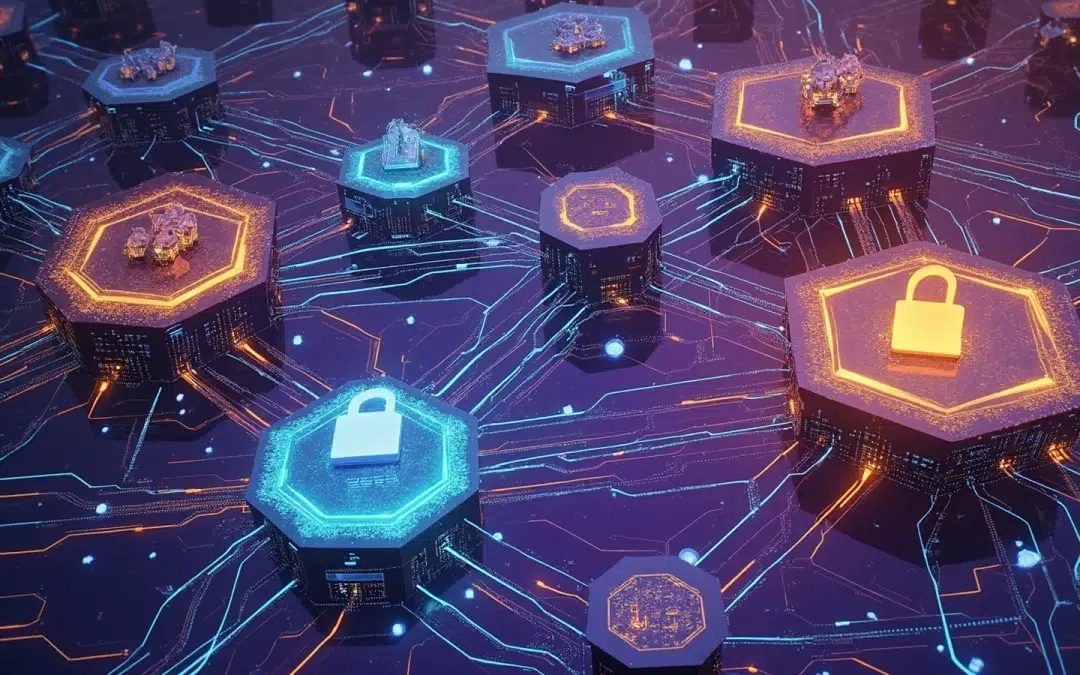
We navigate an ocean of data daily. While this abundance is powerful, effectively structuring it remains a fundamental challenge. Traditional methods like hierarchical folders or flat tagging systems often fall short, forcing us into rigid structures that don’t reflect the complex relationships between concepts. What if there was a better way, built for the decentralized web? At Solar Punk, we’re constantly exploring the frontiers of decentralized technology, pushing the boundaries of what’s possible on decentralized platforms, particularly Swarm. One of our exciting research initiatives, OntoDAG, tackles this very challenge of data organization head-on.
The Problem with Trees and Tables
Think about how you organize files today. You might use folders (a tree structure) or tags (like relational table attributes).
- Trees (Folders): Force a single hierarchy. Is a photo from Budapest in 2025 under Photos/Budapest/2025 or 2025/Photos/Budapest? Trees struggle with concepts that have multiple “parents” or belong to several categories simultaneously.
- Tables/Tags: Often require a fixed set of attributes for all items, which doesn’t work well when items have vastly different characteristics.
These limitations lead to clunky systems and often necessitate powerful search functions simply because the underlying organization is flawed.
As industry leaders have said before:
“If you have good categories, you don’t need to search. If you need to search, you lost something.”
Introducing OntoDAG: Order Theory Meets Decentralization
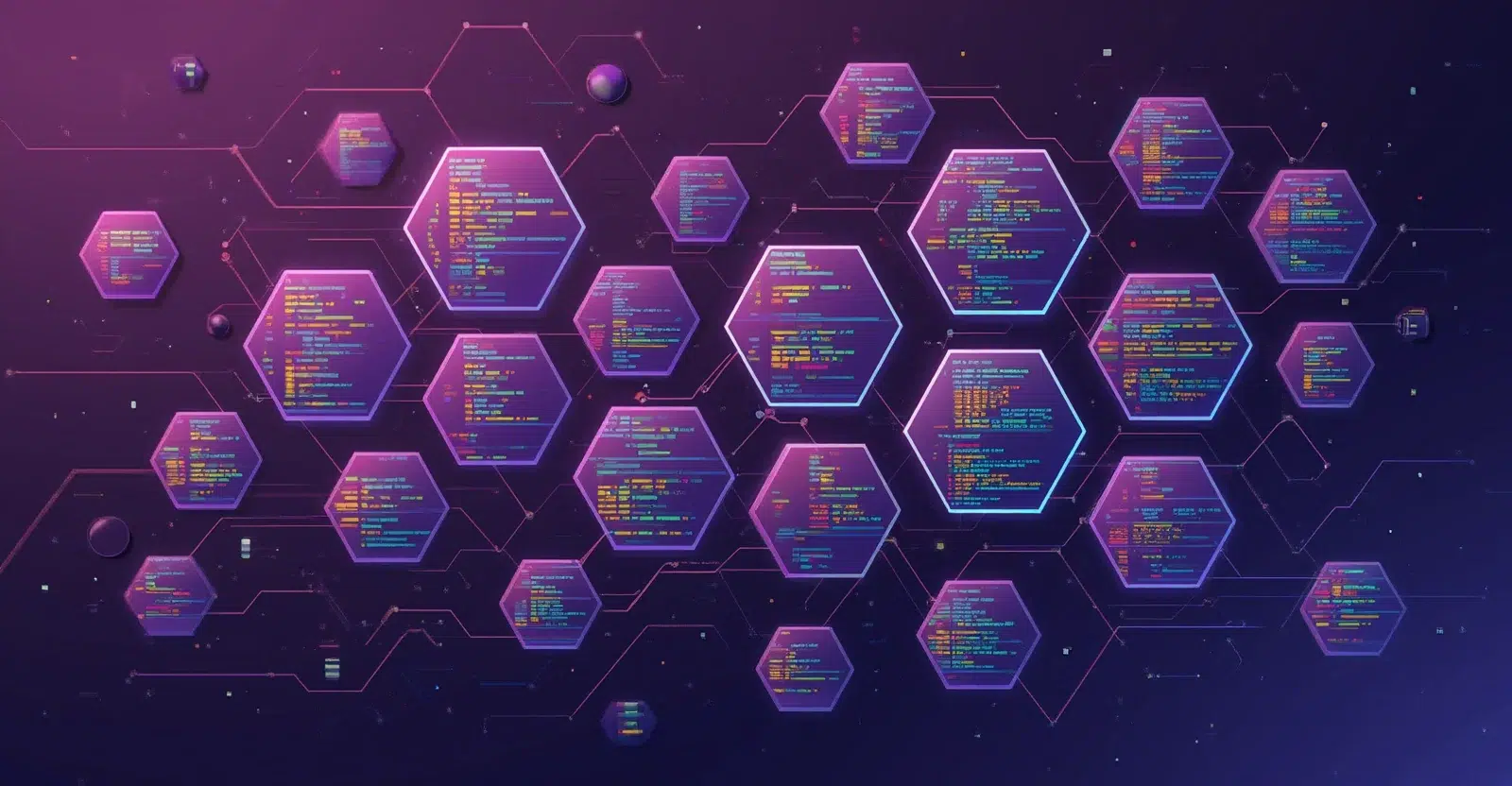
OntoDAG proposes a more flexible and intuitive approach based on Directed Acyclic Graphs (DAGs) and order theory. Think of a DAG as a graph where relationships flow in one general direction without forming loops, allowing for complex connections unlike simple trees. Instead of forcing data into restrictive trees or tables, OntoDAG allows for:
- Multiple Parents: Concepts can belong to multiple broader categories naturally.
- Rich Relationships: It models relationships more accurately than simple hierarchies.
- Structured Categories: Provides a semantic layer that’s more powerful than simple tags.
Essentially, OntoDAG aims to create a data structure that mirrors how we naturally understand and categorize information–as a network of interconnected concepts, rather than a rigid tree.
Why Build OntoDAG on Swarm?
Swarm’s decentralized storage and communication infrastructure provides the ideal foundation for a project like OntoDAG. Here’s why:
- Decentralized & Censorship-Resistant Storage: The OntoDAG structure itself, representing potentially vast knowledge graphs, can be stored securely and resiliently on Swarm, free from single points of failure or control.
- Foundation for Advanced Applications: OntoDAG isn’t just about storing the graph; it’s about using it. Swarm’s features enable powerful applications built on top of this structure.
Integration with Swarm Features: OntoDAG categories could potentially integrate directly with Swarm functionalities like the Access Control Trie (ACT), enabling sophisticated, category-based permissions.
Unlocking New Possibilities on Swarm with OntoDAG
OntoDAG is more than just a theoretical concept; it’s a research project exploring practical applications that showcase the versatility of Swarm. Imagine using OntoDAG on Swarm to power:
- Smarter Content Categorization: Replace cumbersome folder systems or tag clouds with a rich, ontology-driven structure for organizing files, media, or any data stored on Swarm.
- Dynamic Access Control: Define permissions using Swarm’s ACT based on an item’s position within the OntoDAG structure. For example, grant access to everyone in the “Project Alpha Team” category, which itself might be composed of sub-categories or individual roles.
- Contextual Communication: Create communication channels or social network groups defined by the ontology, ensuring relevant discussions and information flow.
- Decentralized Marketplaces: Use the ontology graph for sophisticated discoverability of goods and services, moving beyond simple keyword search.
- Membership Management: Gate content or features based on membership in organizations or groups defined within the OntoDAG.
These examples only scratch the surface. OntoDAG, as a research direction for Solar Punk, exemplifies how innovative data structures built on robust decentralized infrastructure like Swarm can unlock entirely new classes of applications–applications that are more intuitive, flexible, and user-empowering.
The Road Ahead
OntoDAG is an ongoing research project (see repo on GitHub). The roadmap includes refining the core concepts, developing implementations, creating APIs, and exploring deeper integration with Swarm–potentially augmenting Swarm’s native capabilities with specialized ways to handle OntoDAGs or function as a specialized graph database layer.
By exploring projects like OntoDAG, Solar Punk continues its mission to build the tools and infrastructure for a truly decentralized, resilient, and user-centric digital future, leveraging the power of foundational technologies like Swarm.
Stay tuned for more updates as we continue to explore the potential of OntoDAG and other innovations within the Swarm ecosystem!